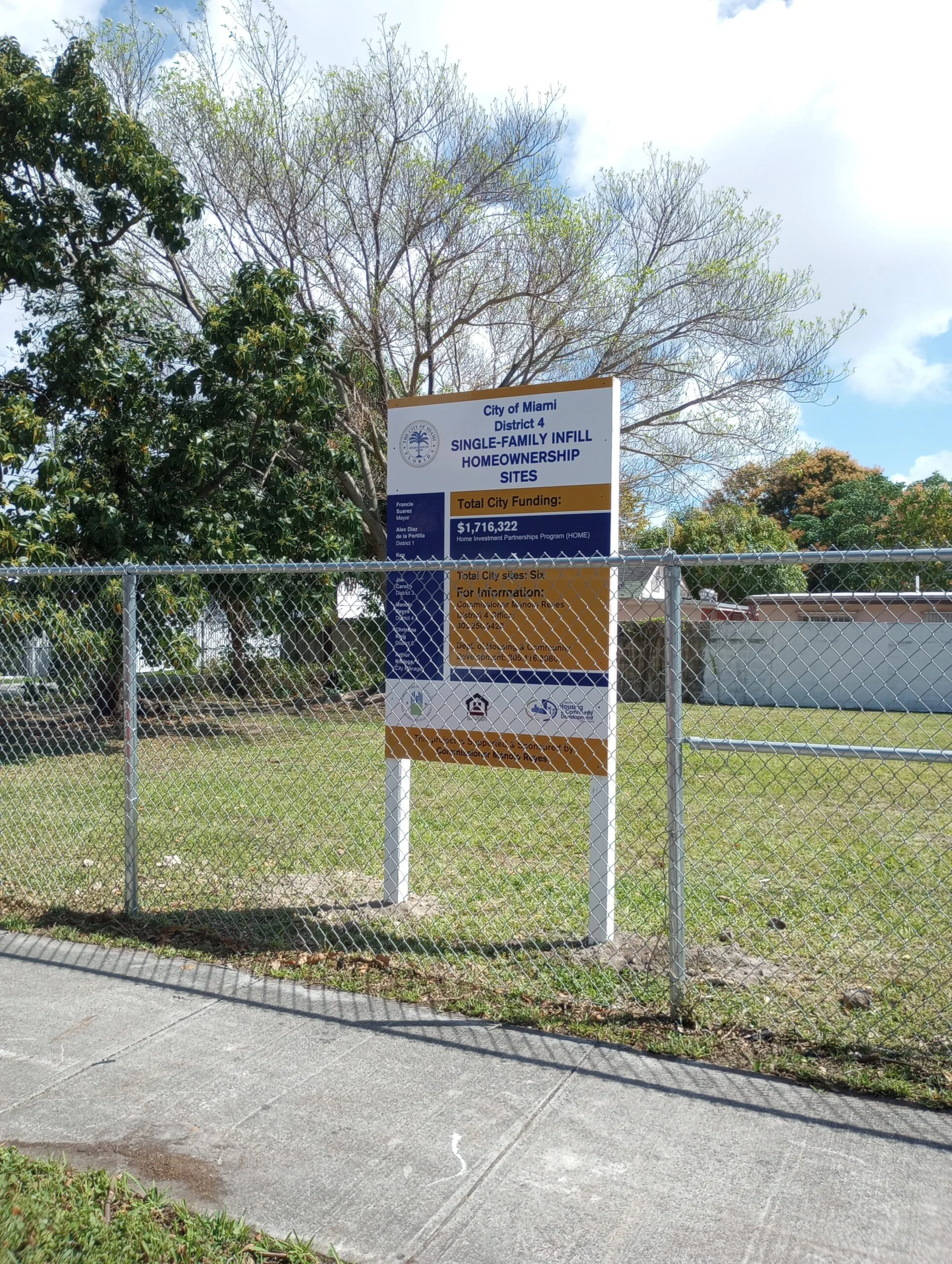
Planning and Site Development
Navigating the land‑use approval process can be complex, as each jurisdiction enforces its own set of laws, regulations, and review standards. From local building departments to state and federal agencies, every authority has distinct requirements that must be addressed. I provide guidance through each stage of the approval process, helping you move your project forward with confidence and efficiency.
Design - Conceptual to Construction Documents
Whether you need an architect to bring your vision to life or you’ve already selected a design professional, I can guide you through every stage of the design process. From Conceptual Design to Design Development and ultimately the preparation of permit‑ready Construction Documents, I help ensure this critical phase is completed thoroughly and efficiently.
One of the greatest financial risks in any construction project is the cost of change orders. Most change orders stem from design omissions that go unnoticed until after the project has been competitively bid. At that point, the additional work is often performed at premium rates, creating significant and avoidable financial impacts. My role is to help you minimize these risks by supporting a complete, well‑coordinated design before the project goes out to bid.


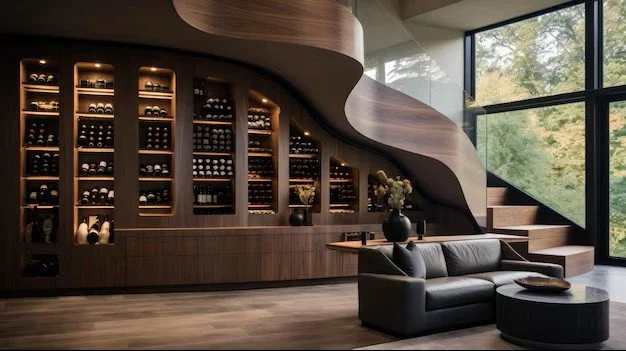
Interior designers are often engaged for the creative and aesthetic elements of a project. They develop their own budgets, source materials, and implement their design vision. Challenges arise, however, when these design elements are not fully coordinated within the Construction Documents, creating yet another source of costly change orders. I can help evaluate the interior design components and ensure they are properly integrated into the design documents, reducing risk and supporting a smoother construction process.
Interior Design
Contractor Selections
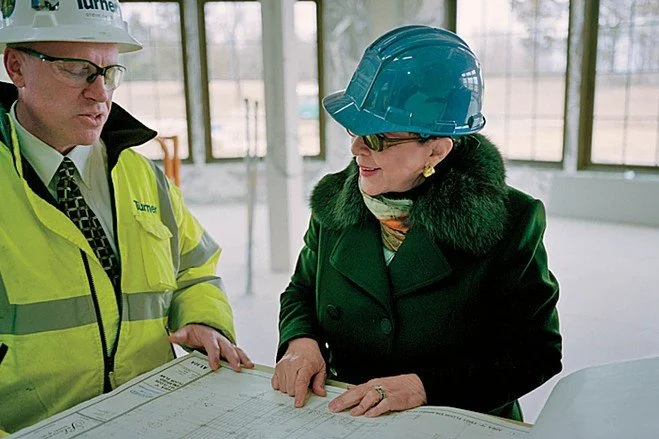
Selecting the right contractor is essential to ensure your project runs smoothly and achieves a successful outcome. The contractor and team you choose can be the difference between a streamlined, positive experience and a costly, litigation‑driven ordeal. I can guide you through the contractor selection process to help identify qualified professionals who align with your project’s goals, budget, and expectations.
From the initial RFP (Request for Pricing) through final contract execution, EDGE CMA supports you in evaluating contractors, scopes of work, and all associated costs. Our goal is to ensure that what you are purchasing aligns precisely with the actual needs of your project, reducing risk and promoting a smooth, well‑coordinated start to construction.
Constructability Review and Value Engineering
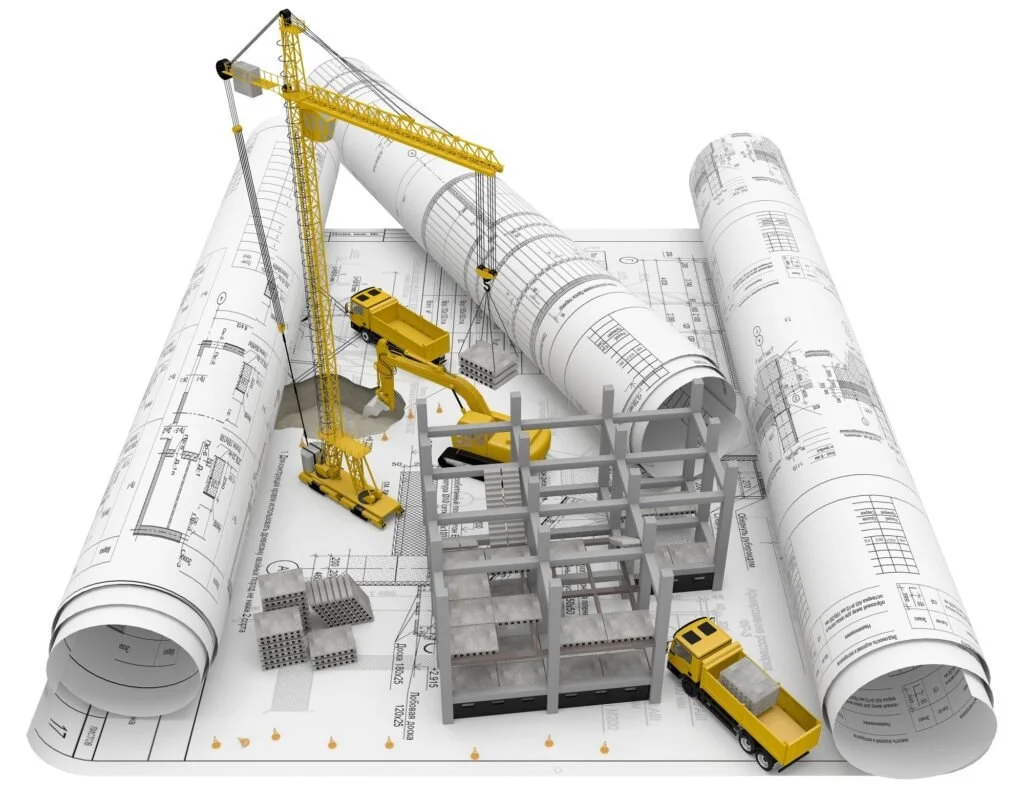
Throughout the design process, the architect typically serves as the lead designer, coordinating and integrating drawings from engineers and other consultants into the overall design. Unfortunately, this coordination often results in conflicts, errors, and omissions that go unnoticed or unaddressed. A comprehensive constructability review of the project as a whole can help owners identify and avoid these hidden pitfalls before they become costly issues.
An added advantage of this review is the opportunity to perform Value Engineering (VE). By evaluating design alternatives and identifying strategic modifications, owners can uncover potential cost savings while still achieving the quality and performance expected in the final product
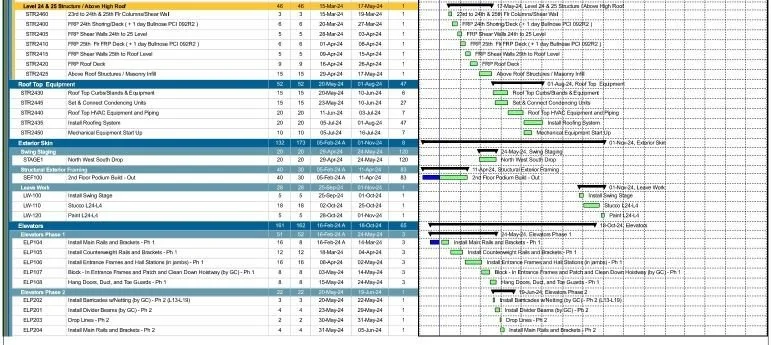
Every owner wants the highest‑quality outcome at the lowest possible cost, and they want it delivered quickly. This is often where projects begin to derail. It’s easy to accept budget figures or schedules that simply confirm what an owner hopes to hear, especially when a contractor claims they can deliver faster or cheaper than the rest. These promises can mask unrealistic assumptions that lead to delays, overruns, and costly disputes. I can help you cut through the sales pitches and evaluate proposals objectively so you can clearly distinguish fact from fiction and make informed decisions for your project.
Budget & Schedule
Construction Administration
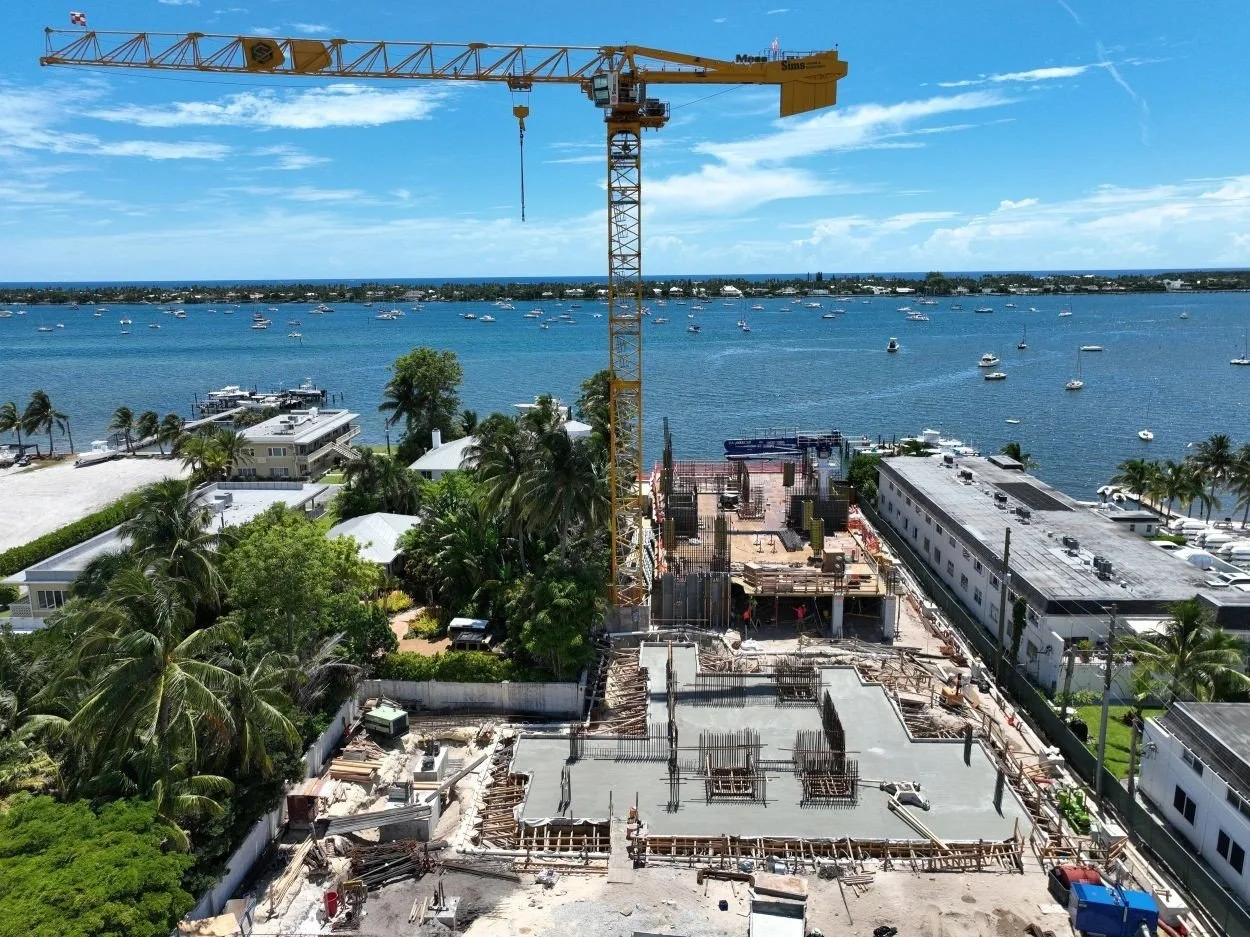
This is where the rubber truly meets the road. The execution and oversight of work in the field is often where owners need the greatest level of support. Ensuring that contractors adhere to the plans, budget, and schedule is one of the most challenging aspects of any project. Without proper oversight, issues such as cost overruns, schedule delays, warranty problems, and latent defects can quickly arise.
Strong field management minimizes these risks and helps ensure the project is completed as intended. In addition, most lenders require monthly inspections and verification of Work in Place (WIP) to validate funding requests. EDGE CMA can serve as your dedicated representative in the field, providing the oversight, documentation, and support needed to keep your project on track and properly funded.
MEP Coordination
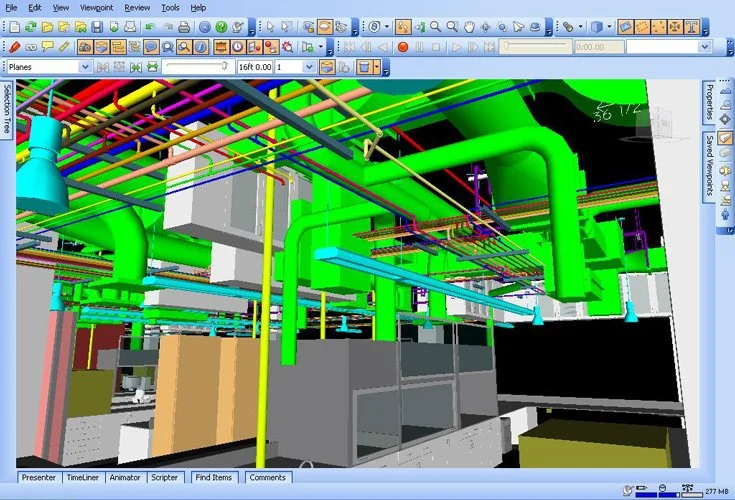
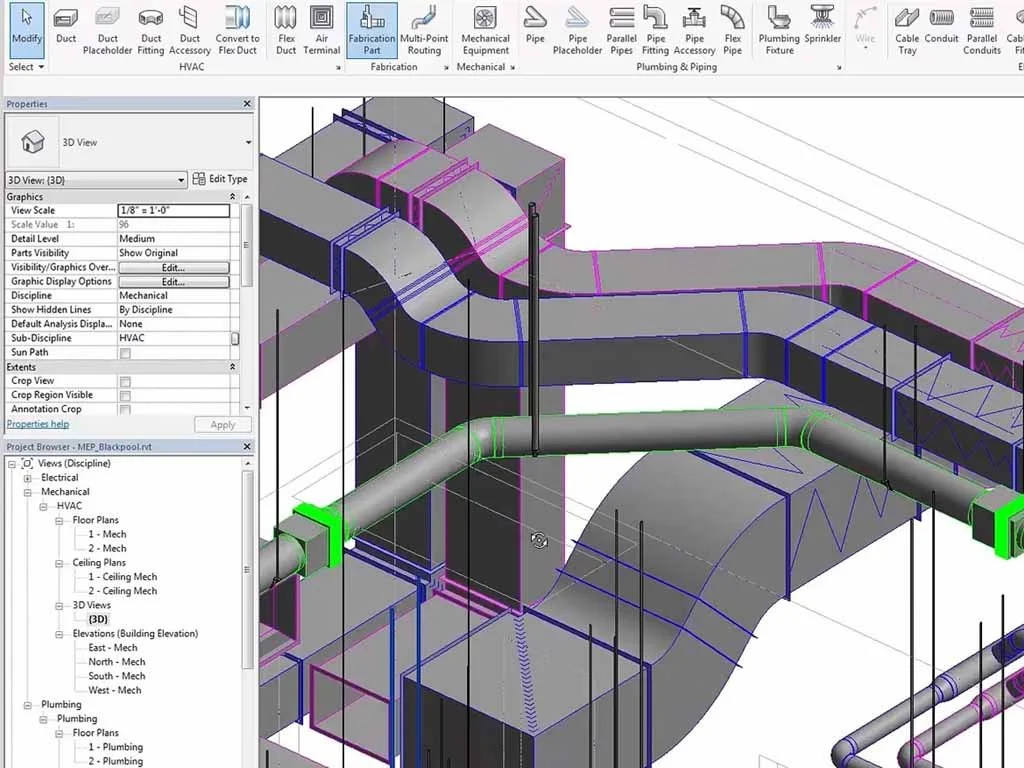
Many contractors promote MEP coordination as a standard part of their construction process, yet many lack a full understanding of how to properly plan and execute this work. Effective underground and overhead coordination of MEP systems and infrastructure provides significant benefits, including:
Enabling construction crews to clearly understand the sequence of installation, improving efficiency and productivity.
Identifying conflicts between MEPF systems through comprehensive clash detection.
Preventing costly rework by avoiding the need to relocate infrastructure due to undetected field conflicts.
Ensuring composite coordination drawings are submitted to and approved by the architect and engineers, supporting code compliance and reducing design‑related issues.
Proper MEP coordination is essential to minimizing risk, controlling costs, and ensuring a smooth construction process.
QA/QC
Quality Assurance and Quality Control are often overlooked in construction or simply assumed to occur without proper oversight. In reality, crews may take shortcuts or install work that does not meet acceptable standards. Verifying that every component is built in accordance with industry expectations is essential to achieving a successful, durable, and compliant project outcome.
Punch
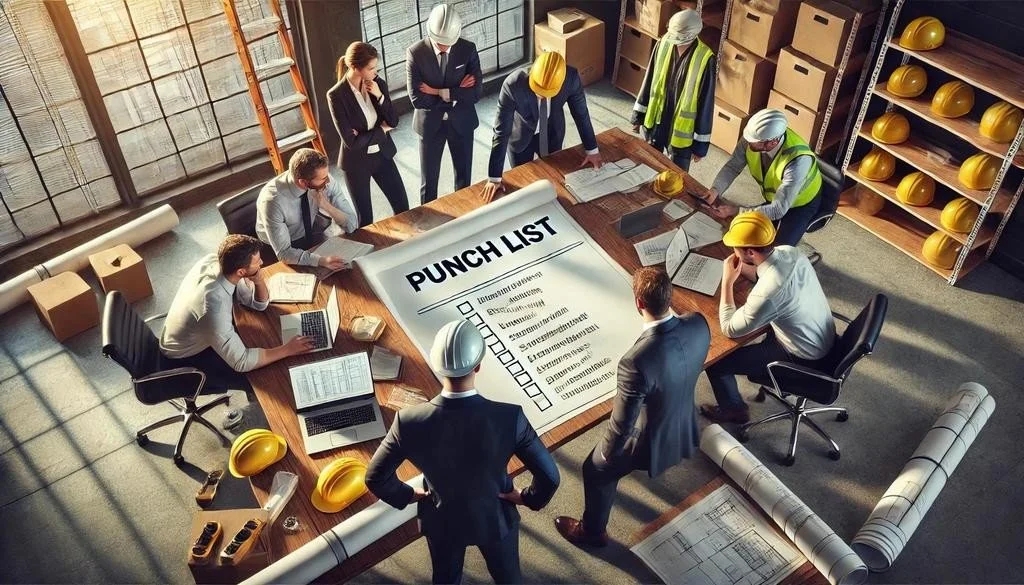
As the project approaches completion, a thorough inspection of each space and building component is essential to ensure all deficiencies are identified and corrected before final turnover. It is unrealistic to expect a project to have zero punchlist items; there are always finish details or minor defects that require attention. Addressing these issues systematically helps ensure the completed building meets your expectations and reflects the quality you envisioned.
Close Out
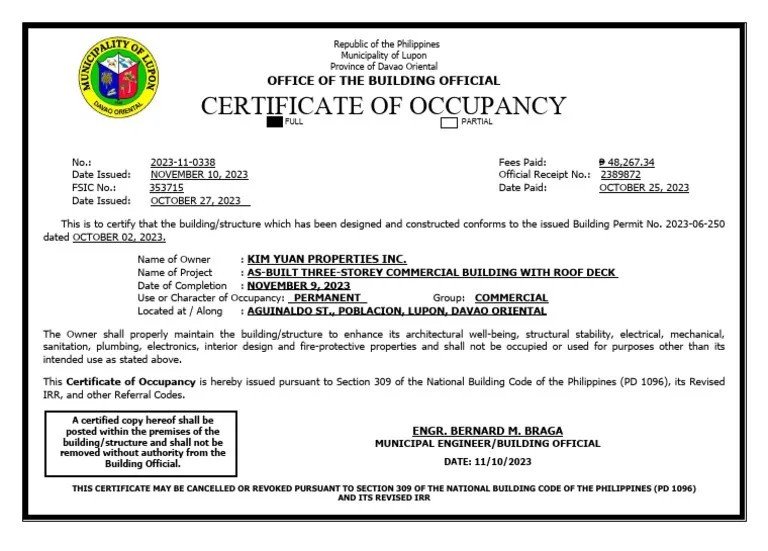
As the project reaches its conclusion, it is essential to ensure a fair and equitable closeout with all subcontractors and vendors who contributed to its success. Properly closing out each subcontractor and vendor, along with the general contractor, is critical to limiting risk exposure and preserving your warranties and rights to post‑construction support if needed. A thorough and well‑managed close-out process protects your investment and sets the stage for long‑term project performance.

Contact us
Interested in knowing what EDGE can do for you? Fill out some info and we will be in touch shortly. Looking forward to speaking with you!